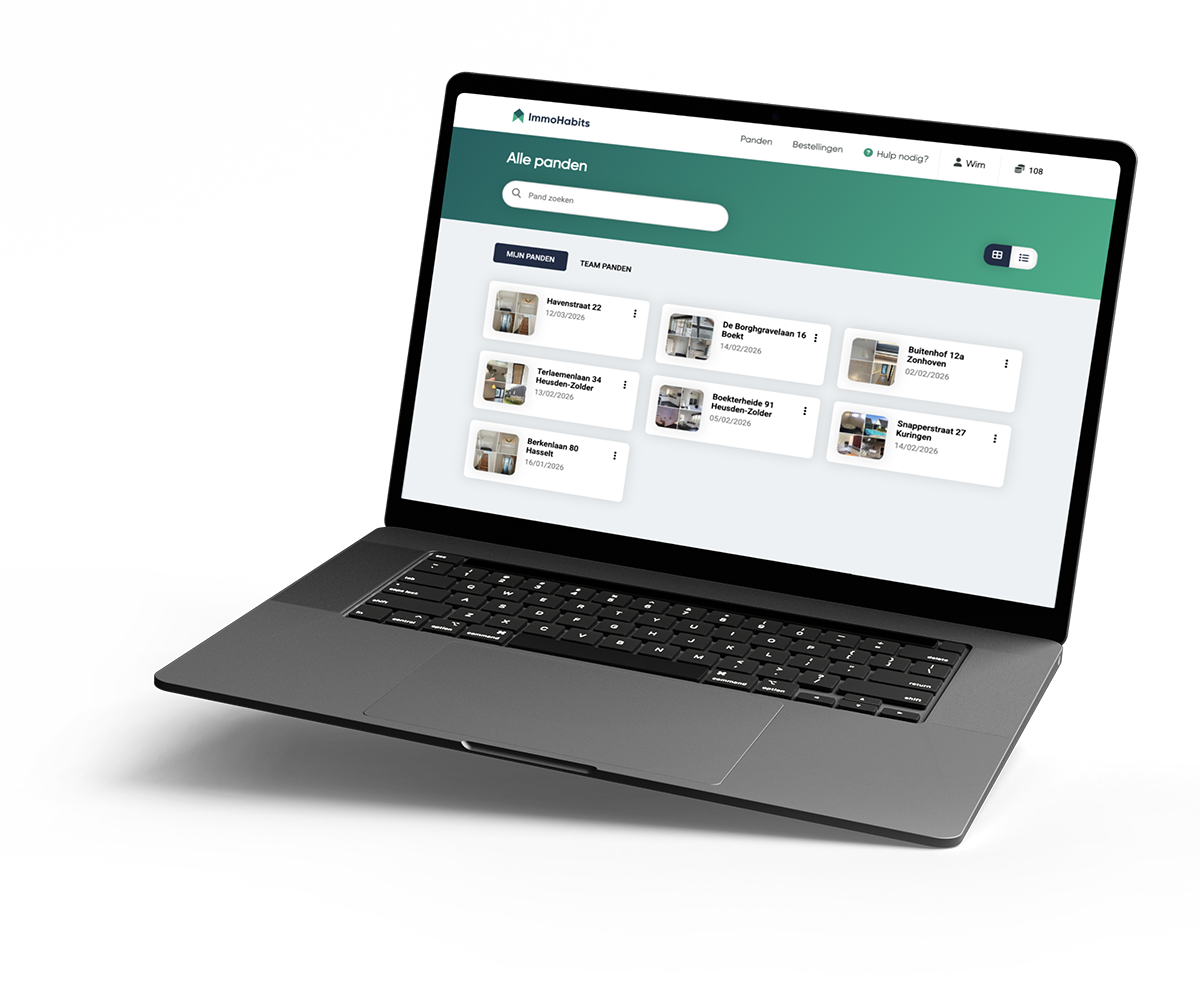
Create your own report in 2 minutes?
Take photos, AI writes the report. Your first test report is free.


The rental deposit is the landlord's financial security; the inspection report is the evidence that determines whether the landlord can claim any of it. Without a detailed move-in report, the legal presumption is that the tenant received the property as they leave it, leaving virtually no ground to withhold the deposit for tenant damage. The deposit is released with a written agreement of both parties or a ruling by the justice of the peace.
At the end of the lease the move-out inspection is compared with the move-in inspection report. Only the differences that qualify as tenant damage (and not normal wear) can be charged to the tenant, and the rental deposit is usually the pot from which that settlement is paid. The quality of the inspection report therefore directly determines what you can do with the deposit: without a detailed move-in report there is nothing to compare objectively.
That differs per region. In Flanders, since the Residential Lease Decree (leases from 2019), the deposit may be up to three months' rent, usually paid into a blocked account in the tenant's name. In Brussels and Wallonia lower or different maxima apply, typically two months for a blocked account and three for certain other forms of guarantee. In the Netherlands the deposit is legally capped at two months' base rent.
The blocked deposit account is only released with a written agreement between tenant and landlord, drawn up after the end of the lease, or with a decision of the justice of the peace. The landlord can therefore never withhold the deposit unilaterally. Important for landlords: the claim to have the deposit paid out in your favour lapses one year after the end of the lease.
Make the move-in inspection report as detailed as possible, with photos of every room. Schedule the move-out inspection just before the key handover, when the property is empty. And use the same structure for both, so the comparison happens room by room instead of on loose impressions. ImmoHabits automatically compares the move-out photos with the move-in state and lists the differences, including an optional repair-cost estimate as a starting point for the deposit agreement.
Can the landlord withhold the deposit without an inspection report?
Practically not. Without a detailed move-in report the tenant is presumed to have received the property in the state they leave it in. The landlord then needs other evidence, which rarely succeeds in practice.
How quickly should the tenant get the deposit back?
The law sets no fixed deadline; the account is released as soon as there is a written agreement or a judgment. A smooth move-out inspection with a clear settlement speeds that up considerably.
What if the damage exceeds the deposit?
The deposit is not a ceiling. For the balance above the deposit the landlord can claim additional compensation, if necessary before the justice of the peace.
Does this also apply to early-termination fees or rent arrears?
Yes, the deposit can serve for those too, always with the agreement of both parties or a court decision as the basis for release.
Take photos, AI writes the report. Your first test report is free.